For Hair salons
How to Reduce Hair Salon No-Shows and Fill Your Chairs
A warm, practical system for protecting long color and transformation appointments without making your salon's booking experience feel rigid.
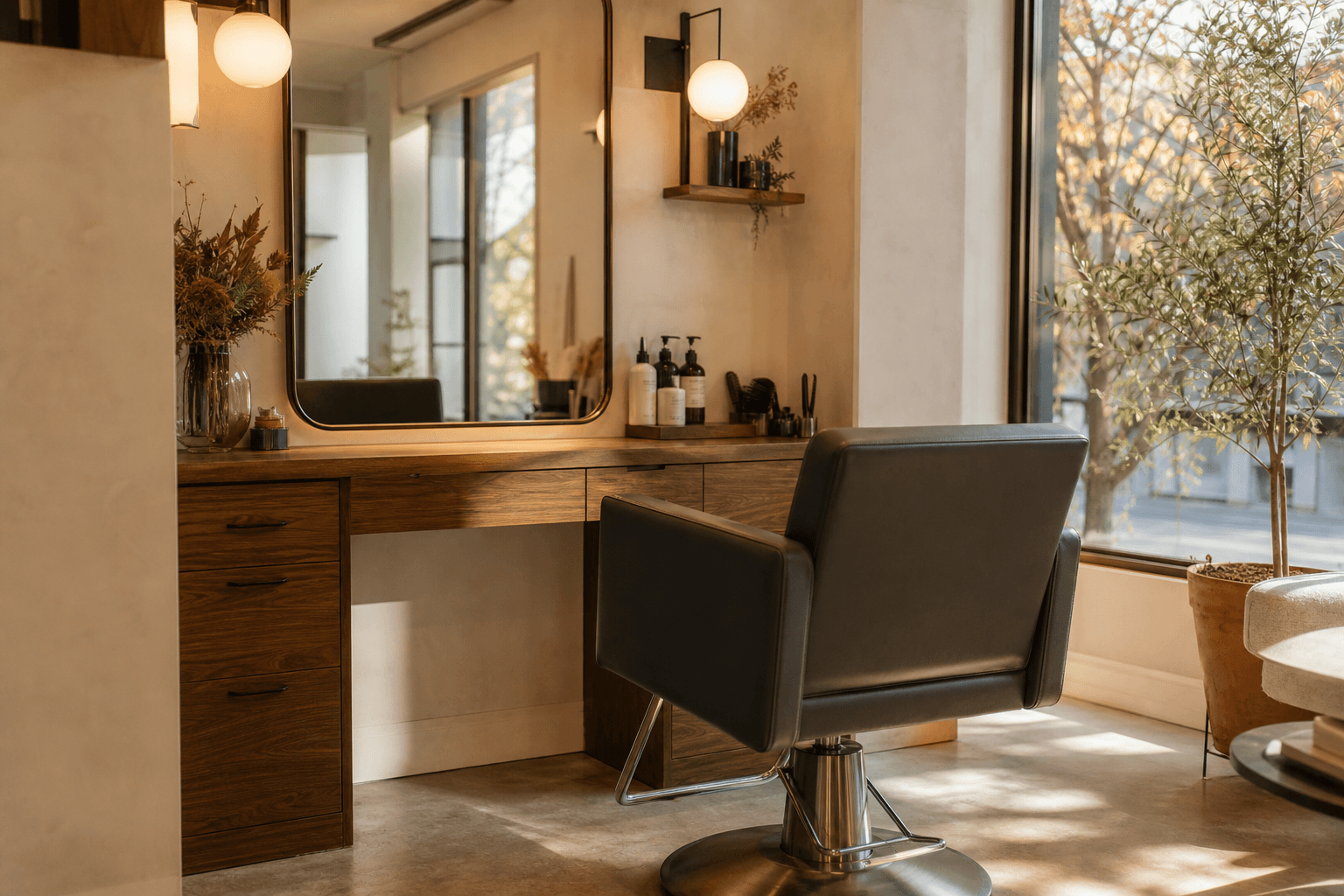
Know which empty chairs actually hurt
Every empty salon chair matters, but a missed fringe trim and an abandoned four-hour color transformation do not create the same exposure. Start by grouping services by chair time, stylist scarcity, advance consultation, and product preparation. For each group, estimate the service contribution that cannot be recovered, any preparation that cannot be reused, and the time your team spends chasing the booking. That is a more honest number than simply adding up the menu price.
Track whether the time was released early enough to refill, not only whether the original client attended. A client who moves an appointment three days ahead may have protected your day if the waitlist fills it. A client who confirms and then changes at the last minute creates a different problem. Separating these outcomes shows whether you need earlier communication, clearer policy, or a better standby process.
Write confirmations in your salon's voice
The most effective message is clear enough to act on and warm enough to feel like your team. Include the salon name, exact date and time, stylist if relevant, and simple Confirm or Request a new time choices. Avoid filling the reminder with promotions. This moment is about protecting a reservation, not selling one more service. A short note about preparation belongs there only when it genuinely helps the appointment run well.
For long bookings, use an early check-in several days ahead and a concise final confirmation closer to the day. Short services may need only one prompt. Research on digital reminders comes largely from healthcare, so it should not be presented as a salon-specific guarantee; the useful lesson is that timely prompts and easy response paths can change attendance behavior. Test your own cadence and keep the version that produces earlier, clearer replies.
- Make changing the appointment almost as easy as confirming it.
- Do not keep messaging after a team member takes over the conversation.
- Give long color and high-demand stylist bookings earlier attention.
- Ask clients to verify their preferred number when they book.
Reserve deposits for the bookings that need them
Appointment security deposits are easiest to understand when they correspond to a real commitment: a long block, specialist stylist time, advance consultation, or product preparation. A simple cut may not need the same rule as balayage, extensions, or a major correction. Build a service matrix and choose a fixed amount or proportion that is clear before checkout.
Publish what the deposit secures, when it is applied to the attended service, the notice required to move it, how many transfers you allow, refund conditions, and what happens if the salon changes the booking. Use the same explanation online, in confirmation messages, and at reception. Give managers discretion for genuine emergencies and record the decision. Warm service does not mean vague rules; clients are more comfortable when the terms are calm and predictable.
Build a waitlist people want to join
Ask clients whether they would like earlier-time messages and record the services, stylists, days, and notice they can realistically accept. When a chair opens, contact a small matching group in sequence. A generic blast creates disappointment and extra replies; a targeted offer feels personal and is more likely to fill the exact block.
Create a daily review time for unanswered long services and failed deliveries. Decide who sends a personal note, how long the reservation remains held, and when a released slot goes to the waitlist. The dashboard should reduce front-desk noise by making ownership clear, not create another list everyone checks differently.
Measure the client experience as well as revenue
Track explicit confirmations, early changes, late releases, refilled chair hours, deposit transfers, refund requests, and staff time. Segment by service and stylist without using the data to shame either clients or team members. Patterns may point to unrealistic timing, inconsistent booking explanations, or a service that needs a consultation before a long block is reserved.
Read the replies too. If clients repeatedly ask whether a deposit is part of the final total, say so earlier. If they struggle to reschedule, shorten the path. If reminders feel too frequent for regulars, adjust by lead time rather than switching the whole system off. The goal is a day that feels prepared and a policy clients can trust.
A simple salon rollout
Pilot the workflow on two service groups: one everyday category and one long, high-value category. Record four weeks of baseline, approve the message tone, publish the deposit terms for the long service, and train everyone on the same exception process. Review replies and chair utilization weekly. Once the system feels natural to clients and staff, extend it to the next category instead of imposing the heaviest rule across the menu.
Use the pilot to tighten the whole booking journey. Check that the service length is realistic, consultation happens before scarce time is held, confirmation copy matches your website, and the stylist can see the latest status without asking reception. Review a sample of transferred deposits and waitlist fills. When clients receive one consistent explanation from online booking through checkout, the policy feels like part of good service rather than a surprise attached to the reminder.
Sources and further reading
Evidence about reminder systems is cited for context. It does not establish that a particular deposit policy is effective, lawful, ethical, or appropriate for every practice.
- 1.Appointment reminder systems are effective but not optimal — Patient Preference and Adherence / PubMed
- 2.Using digital notifications to improve attendance in clinic — BMJ Open / PubMed
- 3.Mobile phone messaging reminders for attendance at healthcare appointments — Cochrane Review / PubMed
Your practice sets its own deposit and consent rules; NoShowLine is not legal advice.