For Dentists
How to Reduce Dental No-Shows: Confirmations Patients Answer and Deposits You Control
A practical, clinically responsible system for protecting dental chair time with answerable reminders, selective appointment security deposits, and a front-desk follow-up process.
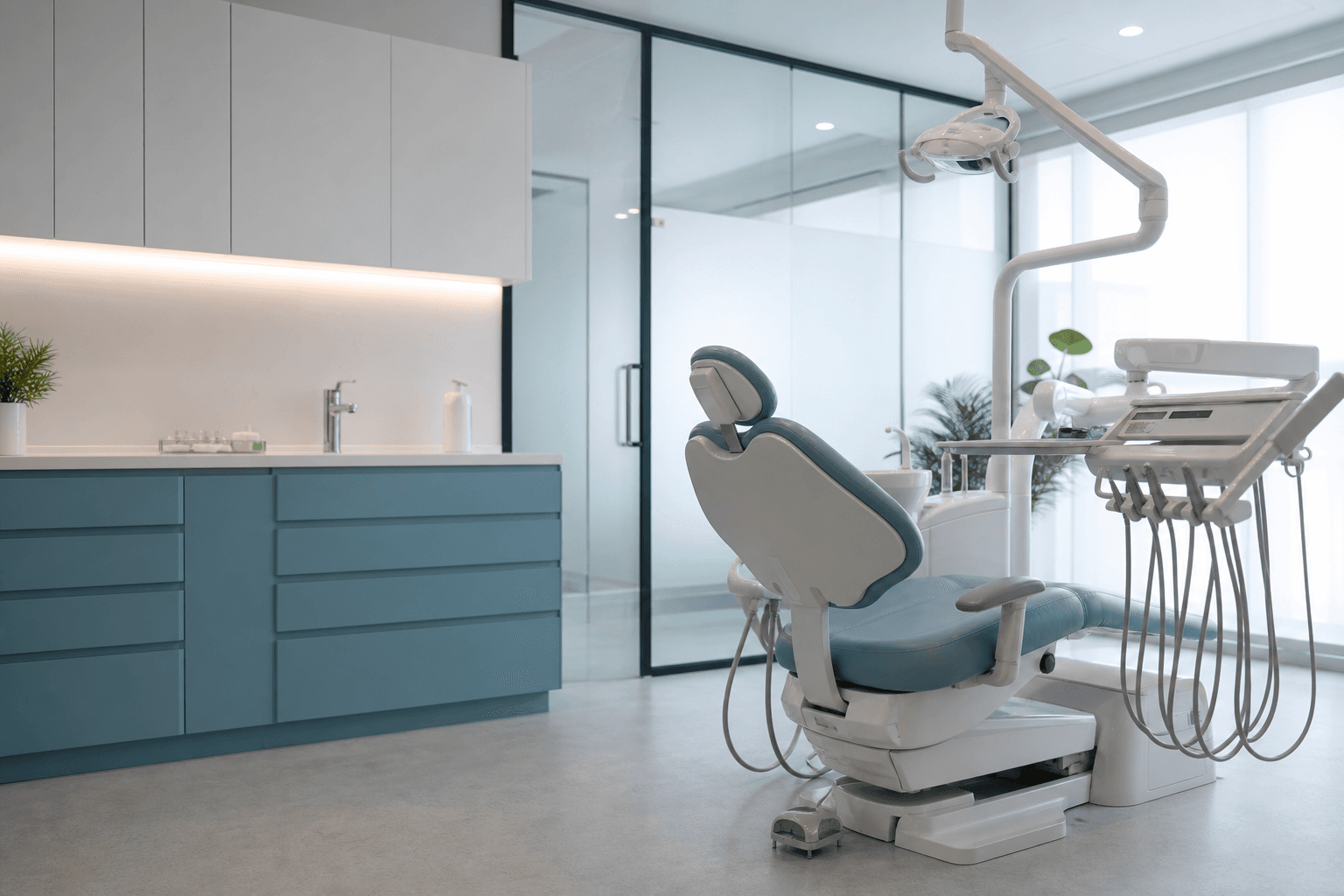
Treat an empty chair as an operational and care-continuity problem
Dental practices do not need a dramatic headline to understand the cost of a missed visit. A hygiene appointment that goes unused removes productive chair time, while a missed restorative or specialist block can leave a clinician, assistant, room, and prepared materials underused at once. The patient also loses continuity: disease monitoring, prevention, or a planned treatment sequence moves further away. A reliable attendance process therefore protects both capacity and care.
Do not borrow a generic industry percentage and apply it to your forecast. A systematic review of healthcare scheduling literature reported an average missed-appointment rate around 23 percent across highly varied settings, but geography, specialty, lead time, patient circumstances, and scheduling design all matter. Establish your own baseline by appointment type. Calculate the direct value of time that could not be refilled, then track the clinical and administrative consequences separately. That produces a credible case for improvement without overstating a universal cost.
Make every reminder ask for a useful action
A delivered message is not the same as a confirmed appointment. Use a short prompt with three elements: the date and time, a clear request to confirm, and a low-friction way to request a change. Keep treatment details out of the lock-screen preview. The American Dental Association advises practices to discuss communication method and timing with their teams, respect the patient's preferred channel, and pay attention to privacy and communications rules.
For appointments booked months ahead, use more than one moment of contact. A light notice several days before the visit lets the patient solve work, transport, or care responsibilities. A shorter confirmation 24 to 48 hours beforehand establishes a current commitment. If the patient does not respond, do not endlessly automate. Put the appointment into a defined reception queue, prioritized by chair length, preparation needs, and the possibility of offering the time to someone else.
- Use neutral wording: practice name, date, time, location, and response options.
- Record the patient's agreed channel and reasonable communication preferences.
- Treat Confirm, Reschedule, and Call me as operational outcomes—not marketing clicks.
- Stop automated follow-up when a staff member takes ownership of the conversation.
Use appointment security deposits selectively
A deposit works best as an advance scheduling commitment, not an emotional response after a difficult week. Start with the appointment types that reserve substantial resources: lengthy treatment, scarce specialist sessions, sedation-related blocks, or bookings with significant advance preparation. Standard recare visits may need only good reminders and accessible rescheduling. A selective rule is easier to explain and less likely to create a barrier for routine preventive care.
Put the policy in writing before collecting money. State the amount, what it secures, when it is released or credited, the notice needed to transfer it, how refunds work, and who may approve an exception. The ADA's financial-policy guidance emphasizes clarity, consistency, applicable legal review, and explicit treatment of advance payments and unused balances. Your practice should also review payer contracts, state law, accessibility duties, and the needs of patients whose circumstances require flexibility.
Give reception a response playbook
The best automation creates a smaller, better worklist. By a fixed daily cutoff, reception should see confirmed visits, declined visits, reschedule requests, and unanswered high-priority bookings. Define who calls, when an appointment remains reserved, and when released time can be offered to a standby patient. The rule should be consistent enough for the team to trust while leaving room for clinical judgment.
Use calm language when someone cannot attend. The aim is to recover useful notice and preserve the relationship, not to win an argument. Ask whether the barrier is temporary, offer the next appropriate time, restate the written deposit terms, and document any approved transfer or exception. A patient who gives early notice has helped the practice protect capacity; the workflow should make that behavior easy.
Measure the system for 30 days
Track booked appointments, explicit confirmations, reschedule requests received before your cutoff, unanswered visits requiring a call, late releases, and appointments that remained unused. Segment by hygiene, new-patient, restorative, and specialist work. Also record staff minutes spent on manual confirmation. The goal is not simply a lower missed-visit percentage; it is earlier information, more refillable time, less repetitive calling, and better continuity.
Review the data weekly at first. If patients confirm but still fail to attend, test timing and message clarity before tightening the financial rule. If reschedule requests arrive too late, move the first prompt earlier. If a particular service creates most of the exposure, tailor that workflow rather than burdening every patient. Small, documented adjustments will outperform an aggressive policy that the team applies inconsistently.
A practical dental implementation checklist
Begin with one chair group or appointment category, publish the policy, train the team on the same language, and run the workflow long enough to compare it with a baseline. Before expanding, audit consent records, privacy safeguards, message delivery failures, refund handling, and staff overrides. That is how a confirmation process becomes dependable clinical infrastructure rather than another stream of automated texts.
Assign an owner for the first month and hold a brief weekly review with reception and a clinical lead. Bring examples of unclear replies, appointments that could not be refilled, and exceptions that were difficult to resolve. Update the script and written policy together so the message a patient receives always matches what the team explains. Once results are stable, document the final workflow as part of ordinary practice operations and review it whenever scheduling, payer, privacy, or communications requirements change.
Sources and further reading
Evidence about reminder systems is cited for context. It does not establish that a particular deposit policy is effective, lawful, ethical, or appropriate for every practice.
- 1.No-shows in appointment scheduling: a systematic literature review — Health Policy / PubMed
- 2.Appointment reminder systems are effective but not optimal — Patient Preference and Adherence / PubMed
- 3.Appointment Confirmations — American Dental Association
- 4.Considerations in Developing a Financial Policy — American Dental Association
- 5.Safeguarding information in appointment reminder messages — U.S. Department of Health and Human Services
Your practice sets its own deposit and consent rules; NoShowLine is not legal advice.